

Parkinson’s disease is a progressive neurological disorder that affects movement. It develops when the nerve cells responsible for producing the neurotransmitter dopamine gradually die, resulting in lower dopamine levels in the brain.
As one of the most common neurological disorders, Parkinson’s affects millions of people worldwide being second only behind . You Parkinson’s disease progression can vary from person to person, making it difficult to predict the rate of progression in any one person, but progression usually occurs slowly, with some people experiencing changes over 20 years or more.
What is Parkinson’s Disease?
Parkinson’s disease (PD) common symptoms include tremors, stiffness, slowness of movement, and balance difficulties. Motor signs usually emerge later, after significant dopamine loss has occurred. However, Parkinson’s is not just about movement, it can cause diverse non-motor symptoms, such as depression or sleep problems, due to its effects on various brain circuits.
The course of Parkinson’s disease is unique in each patient. It can be slow and subtle in one person and faster in another. Currently, there is no cure for Parkinson’s, but a combination of drugs, therapies, and support can greatly improve a person’s quality of life.
Symptoms of Parkinson’s Disease
Early Signs of Parkinson’s
Parkinson’s disease symptoms usually begin gradually and often go unnoticed at first. You can start noticing perhaps a slight tremor in one hand or feel slower than normal. These early signs are easy to dismiss, but it is important to identify them.
- Tremor: A minor shaking in a finger, hand, chin, or lip, often observed when still.
- Small handwriting (micrographia): Handwriting tends to become smaller as the disease progresses.
- Loss of smell: Trouble detecting odors (anosmia) can appear years before other symptoms.
- Trouble sleeping: Especially REM sleep behavior disorder, where people start acting out their dreams or talking in their sleep.
- Bradykinesia (slow movement): you find it takes longer to do regular activities.
None of these signs is a sure indicator of Parkinson’s. However, if you or any of your loved ones have noticed multiple early signs, it is worth receiving a medical evaluation. Early diagnosis allows for earlier treatment, which can significantly improve a person’s quality of life and management of the disease.
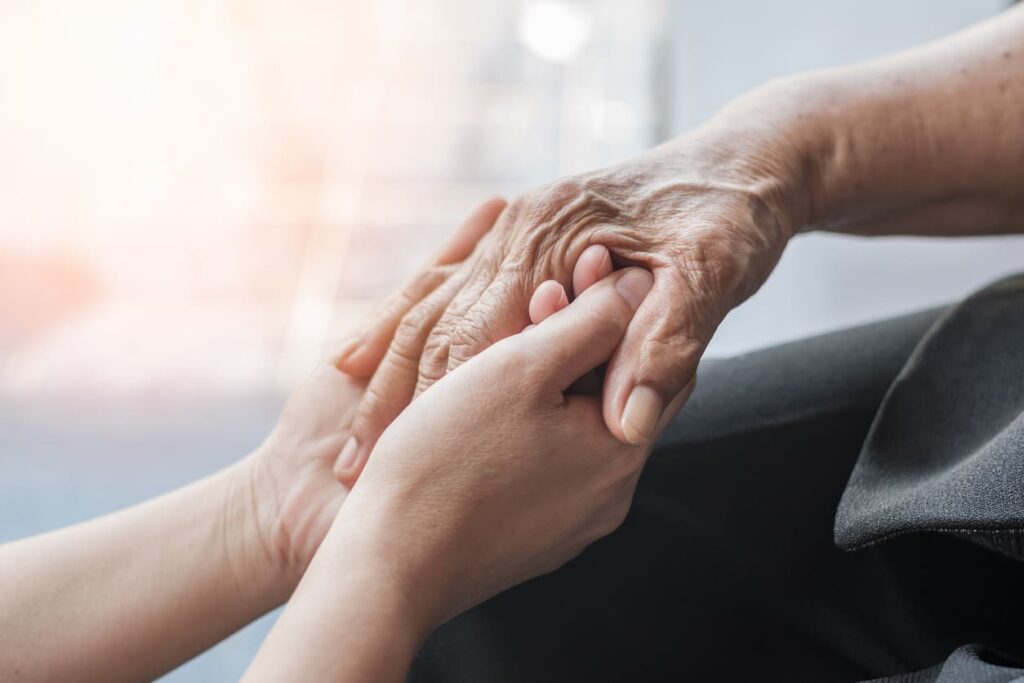
How Symptoms Progress Over Time
The symptoms of PD are usually varied and can differ vastly from one patient to another. Motor symptoms that were mild may become more pronounced, and new symptoms may appear. The most common symptoms of Parkinson’s that develop as the disease progresses are:
- Tremor: Can become clearer and the shaking usually starts on one side.
- Bradykinesia: Movements get slower and smaller. You might have trouble starting the movement (feeling “stuck” in place).
- Muscle rigidity: Stiffness in neck is common. The muscles may feel tight, and your arms may not swing as usual when you walk
- Postural instability: Balance becomes an issue for many people with Parkinson’s. A stooped or curved posture may develop, and the risk of falling may increase.
- Non-motor symptoms: Parkinson’s not only affects movement. Many patients experience cognitive changes and mood swings, for example, depression or anxiety, difficulties with memory, or slow thinking. Other non-motor symptoms include chronic constipation, fatigue, loss of sense of smell, sleep disturbances, and problems with speech or swallowing.
Causes and Risk Factors of Parkinson’s Disease
Genetic vs. Environmental Risk Factors
Approximately 5% to 10% of Parkinson’s cases are related to genetic mutations. Genes like SCNA, LRRK2, PARK2 and PINK1 have been associated with hereditary Parkinson’s. However, most of the cases are idiopathic, meaning that they occur spontaneously, without a specific or known reason.
Environmental factors are thought to be more important in the development of Parkinson’s disease. There are studies that have observed links between long-term exposure to certain toxins or life events, and a higher risk of developing Parkinson’s.
- Pesticide Exposure: It has been observed that long-term exposure to pesticides may increase the risk of the disease.
- Heavy Metals: Research indicates a connection between the chronic exposure to different heavy metals, such as lead, mercury, manganese, iron or copper and the development of PD.
- Head Injuries: Traumatic brain injuries have also been associated with PD development, even years after the injury.

Age and Lifestyle Influences
Age itself is the biggest risk factor for Parkinson’s disease, with most cases being diagnosed after the age of 60. However, early cases also exist. Lifestyle choices additionally play an important role. Behaviors such as lack of exercise, poor diet, and chronic stress can contribute to neurological decline.
In most cases, Parkinson’s likely occurs from a combination of both genetic and environmental factors. You might inherit a subtle genetic predisposition that on its own does not cause illness, but if you are also exposed to environmental factors, or simply by reaching old age, the combination of all of these can bring about the disease.
Diagnosis and Treatment for Parkinson’s Disease
How is Parkinson’s diagnosed?
Diagnosing Parkinson’s can be challenging since there isn’t a definitive lab test. Instead, doctors rely on a clinical evaluation, following internationally recognized diagnostic criteria, to confirm the diagnosis of Parkinson’s. Typically, a neurologist will diagnose Parkinson’s based on your medical history, symptoms, and a physical and neurological exam. In some cases, drugs that are usually used to treat Parkinson’s are given to see if the person responds to the treatment, which can help confirm a diagnosis.
Parkinson’s Treatment Options
Once Parkinson’s is diagnosed, the focus turns to how to treat the symptoms of the disease and slow down its progression. PD cannot yet be cured. However, there are many treatments that could improve symptoms and help people maintain a good quality of life. Parkinson’s diagnosis and treatment are interconnected, as the drugs used for diagnosis also serve as long-term treatment.
The latest Parkinson’s treatments include:
- Levodopa (frequently given with Carbidopa): Levodopa is a highly effective medication for Parkinson’s because it is converted into dopamine, which the brain lacks when affected by the disease. Only Levodopa converted in the brain is effective though. To ensure this, it’s combined with Carbidopa, which prevents conversion outside the brain, prolonging Levodopa’s effect.
- Dopamine agonists: These drugs mimic dopamine by stimulating dopamine receptors in the brain. They tend to be stronger than levodopa for symptom control, however there are side effects such as sleepiness, nausea, swelling, and occasionally, impulse control problems.
- MAO-B inhibitors: These medications block the enzyme monoamine oxidase B, which breaks down dopamine in the brain, helping dopamine last longer.
- COMT inhibitors: These drugs block another enzyme, COMT, that breaks down levodopa and dopamine. They are commonly used with levodopa to increase the time that dopamine is available in the brain and therefore extend its effect.

What is living with Parkinson’s Disease like?
Receiving a Parkinson’s diagnosis may be life-altering, but it’s crucial to know that living with Parkinson’s is very much possible. First and foremost, don’t lose hope. Parkinson’s symptoms can be controlled, and you are not alone in this. Educating yourself about the disease and understanding the illness can replace fear with a greater sense of control. Many patients say that after the initial shock, they could find a “new normal life” and learned ways to continue doing what they love.
Parkinson’s care and support resources are diverse and plentiful and can significantly improve your quality of life:
- Support groups: Connecting with others who have Parkinson’s may be very comforting. The Parkinson’s Foundation, also known as The Michael J. Fox Foundation, and local hospitals can help you to find a support group near you.
- Professional care team: It is important to have a good medical team. Typically, your primary healthcare physician will refer you to a neurologist, who specializes in movement disorders.
- Counseling and mental health: Adjusting to Parkinson’s can be emotionally challenging. Therapy can offer a secure place to process those emotions and learn about strategies to help you cope with your disease.
Tips for Daily Living: Managing Parkinson’s involves staying active and using exercise to improve mobility and mood. Speech therapy and assistive devices can improve communication, and adaptive utensils can help with eating difficulties caused by tremors. A good diet, good hydration, healthy sleep habits and social interactions help with mental well-being. With the right tools and support, those suffering from Parkinson’s can lead a full and happy life.