

What is Neurodegeneration?
Neurodegeneration is a word doctors use to describe what happens when brain cells slowly get damaged and die. This process is behind several serious illnesses, like Alzheimer’s disease, Parkinson’s disease, and ALS (also known as Lou Gehrig’s disease). When brain cells die, people can have trouble with memory, movement, or even basic daily activities.
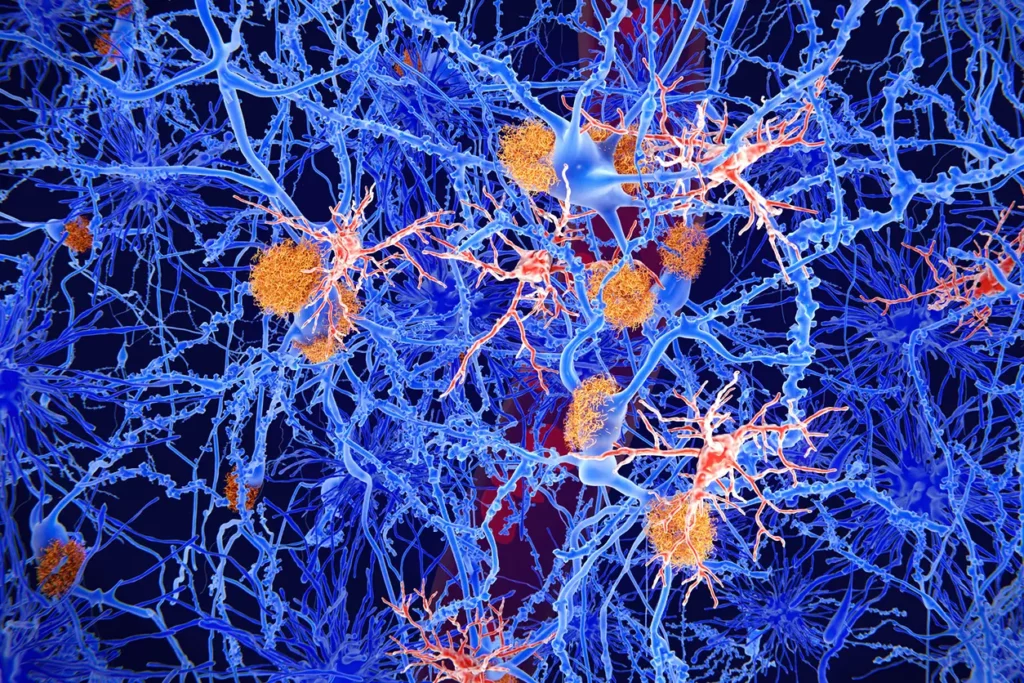
There are a few important things to know about how this happens. First, once brain cells die, they don’t grow back. Second, sometimes the brain’s own immune system, which is supposed to protect us, can become overactive and actually harm healthy brain cells—a problem called neuroinflammation. Third, in many of these diseases, unusual proteins build up in the brain. These proteins, which are not supposed to be there, can clump together and make it hard for brain cells to work properly. This is called proteinopathy.
Scientists have learned that neurodegeneration doesn’t have just one cause. It’s usually a mix of things like our genes, our lifestyle, and even things in our environment.
Causes of Neurodegeneration
There are several reasons why people might develop neurodegenerative diseases:
- Aging: Getting older is the biggest risk factor. Most people who get these diseases are over 60.
- Genes: Some people inherit changes in their DNA that make them more likely to get these diseases. But most cases are not directly passed down from parents.
- Protein Problems: In many brain diseases, certain proteins don’t fold the right way. These misfolded proteins can pile up and damage brain cells.
- Inflammation: Sometimes, the brain’s defense system stays active for too long and starts to hurt healthy cells.
- Oxidative Stress: Our cells use oxygen to make energy, but this process can also create harmful byproducts. If these build up, they can damage brain cells.
- Lifestyle Choices: What we eat, how much we move, whether we smoke, and how we use our brains all matter. Studies show that healthy habits can lower the risk of these diseases.
- Problems with the Brain’s Barriers: The brain has special barriers to keep out harmful substances. If these barriers break down, it can lead to more damage.
Major Neurodegenerative Disorders
Here are some of the most common diseases caused by neurodegeneration:
Alzheimer’s Disease
Alzheimer’s is the most common cause of dementia. People with Alzheimer’s slowly lose their memory and may have trouble thinking or making decisions. Sticky clumps of protein called amyloid plaques and tangles of another protein called tau build up in the brain. Healthy habits like eating well, exercising, and keeping the mind active can help lower the risk.
Parkinson’s Disease
Parkinson’s mostly affects movement. People may shake, feel stiff, or move more slowly. It happens when certain brain cells that make a chemical called dopamine die off. Clumps of a protein called alpha-synuclein are often found in the brains of people with Parkinson’s.
ALS (Amyotrophic Lateral Sclerosis)
ALS is a disease that attacks the nerve cells that control muscles. Over time, people lose the ability to move, speak, and even breathe. The exact cause isn’t known, but both genes and the environment play a role.
Other Diseases
Other diseases in this group include Huntington’s disease and frontotemporal dementia. They all involve the loss of brain cells, but each has its own symptoms and patterns.

Treatments and Prevention
Right now, there is no cure for most neurodegenerative diseases. However, there are ways to help people feel better and slow down the disease:
- Medicines: Some drugs can help with symptoms like memory loss or movement problems.
- Healthy Lifestyle: Eating a balanced diet, staying active, not smoking, and keeping the brain busy with puzzles or learning new things can help protect the brain.
- Support: Physical therapy, speech therapy, and support groups can make life easier for people with these diseases.
Research shows that living a healthy life can lower the risk of diseases like Alzheimer’s—even for people who have a family history. Simple things like walking, eating fruits and vegetables, and staying connected with friends can make a big difference.

In Summary
Neurodegeneration means the slow loss of brain cells, which can lead to diseases like Alzheimer’s and Parkinson’s. While we can’talways prevent these diseases, making healthy choices can help protect our brains and keep us feeling our best for as long as possible.
Read also

Understanding types of informed consent: minors, mental illness or pregnancy in clinical trials
In a clinical trial, the Informed Consent Form (ICF) is the main source of information for those considering participating and serves as a legal document to ensure that, as a participant, you have enough information about the study to fully understand what it entails and agree to participate in it. Many of us have had […]

The role of the brain in hormone regulation
Learn about pituitary gland and how it controls our hormone production and regulation. Main functions, imbalance andother important hormones.