
What are neurotransmitters?
Neurotransmitters are chemical messengers that your body needs to work properly. Its main function is to carry signals from one nerve cell to another, or to a muscle or gland cell. These messengers help your nervous system control everything you do, think, and feel by sending information all over your body.
How Neurotransmitters Work:
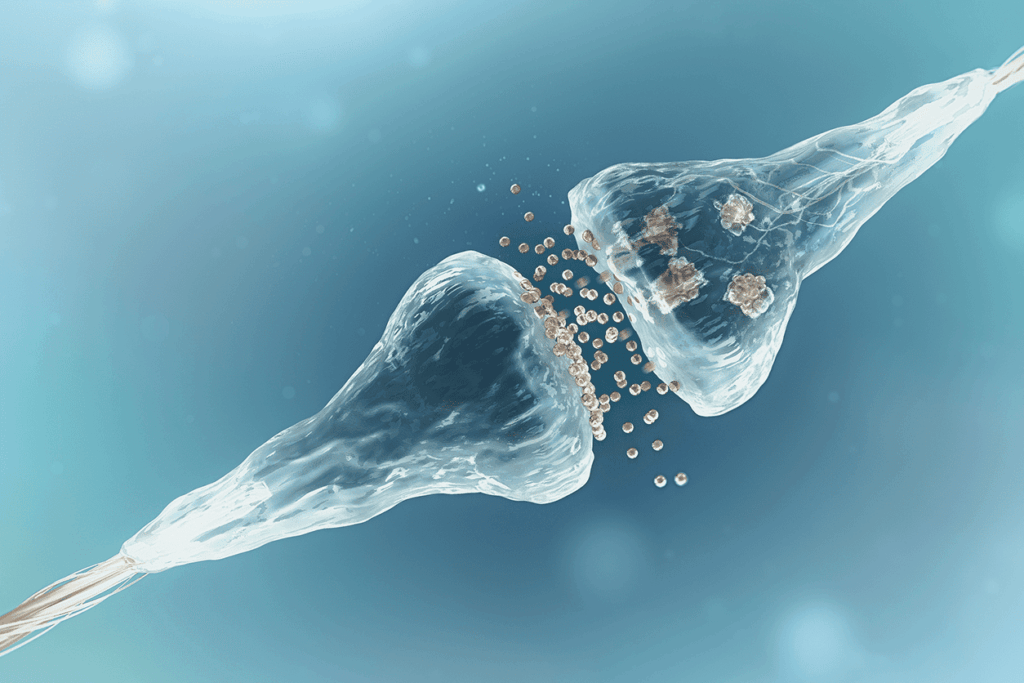
When your brain needs to send a message, it begins with an electrical signal travelling down a nerve cell. When this signal reaches the end of the cell, it causes the release of special chemicals called neurotransmitters into the tiny gap between nerve cells, known as the synapse. These neurotransmitters then cross the gap and attach to specific receptors on the next nerve cell, similar to how a key fits into a lock. Depending on the type of neurotransmitter, the next cell might become active and continue passing on the message, calm down, or respond in another way. After the message is delivered, any leftover neurotransmitters are either broken down or taken back by the original cell to be used again. This entire process happens constantly in your brain, allowing you to think, feel, move, and respond to everything around you.
Types of neurotransmitters and their functions
Neurotransmitters can be grouped into different categories based on their chemical structure and function.
- Amino Acids: These are the most common neurotransmitters in the brain. They help control whether nerve cells are active or calm.
- Glutamate: The main excitatory neurotransmitter. It makes nerve cells more active and is important for learning and memory.
- GABA (Gamma-aminobutyric acid): The main inhibitory neurotransmitter. It calms nerve cells down, helping with relaxation and sleep.
- Glycine: an inhibitory neurotransmitter, mostly in the spinal cord. It helps control movements and reflexes.
- Monoamines: These neurotransmitters are made from amino acids and are important for mood, emotions, and alertness.
- Dopamine: Controls movement, motivation, and feelings of pleasure and reward.
- Serotonin: Inhibitory neurotransmitter that affects mood, sleep, appetite, and digestion. Helps you feel calm and happy.
- Norepinephrine: Increases alertness and attention. Helps the body respond to stress.
- Histamine: Involved in immune responses, helps you stay awake, and affects digestion.
- Peptides: These are small chains of amino acids. They often help control pain and emotions.
- Endorphins: Act as natural painkillers and create feelings of pleasure or euphoria.
- Acetylcholine: An excitatory neurotransmitter that helps muscles move, supports memory, and learning.
The role of neurotransmitters in mental health
Neurotransmitters play a fundamental role in mental health, influencing mood, cognitive abilities and overall well-being. When neurotransmitter levels become imbalanced, a range of mental health disorders can arise:
- Depression and anxiety: Caused by imbalances in serotonin, dopamine, and noradrenaline, these neurotransmitters regulate mood, motivation, and stress response. When their levels are low or unbalanced, the brain cannot properly manage emotions and energy, resulting in symptoms like sadness, anxiety, and difficulty focusing.
- Schizophrenia: Linked to excess dopamine and reduced GABA activity, elevated dopamine in certain brain areas can trigger abnormal perceptions and beliefs, while low GABA reduces the brain’s ability to filter and organize thoughts, leading to confusion and psychotic symptoms.
- Attention Deficit Hyperactivity Disorder (ADHD): Involves altered dopamine and noradrenaline levels, both are essential for attention and impulse control. When their signaling is disrupted, the brain struggles to maintain focus and regulate behavior causing inattention, hyperactivity, and impulsivity.
- Alzheimer’s disease: Characterized by decreased acetylcholine, its reduction impairs communication between brain cells, making it difficult to form and retrieve memories, which causes a progressive cognitive decline.
- Parkinson’s disease: Caused by loss of dopamine-producing neurons, that are crucial for smooth and coordinated muscle movements. When dopamine levels drop due to neuron loss, the brain cannot properly control movement, resulting in tremors, rigidity, slow movement, and sometimes cognitive changes.
Understanding the dominance and deficiency of these neurotransmitters is crucial for both mental and physical health. This knowledge guides the development of effective treatment strategies, including medications that target specific neurotransmitter systems, lifestyle interventions, and dietary approaches that support neurotransmitter balance.

The Future of Neurotransmitter Research and its Impact on Medicine
Looking ahead, the field of neurotransmitter research is going to revolutionize the way we understand and treat neurological disorders. These breakthroughs are expected to open the door to:
- Precision Medicine: Future treatments will likely become even more personalized, using detailed neurotransmitter profiles, genetic information, and biomarkers to tailor therapies for each individual.
- Early Detection and Prevention: As diagnostic tools become more sensitive, it will be possible to detect neurotransmitter imbalances before symptoms appear, enabling earlier intervention and potentially preventing the onset of disease.
- Integration of Artificial Intelligence: AI will help analyze vast amounts of data from brain imaging, genetics and clinical studies, leading to new discoveries and more accurate predictions of treatment outcomes.
- Health Models: The future of medicine will likely embrace a more holistic view, integrating lifestyle, nutrition, mental health and social factors to support optimal neurotransmitter function and overall well-being.